
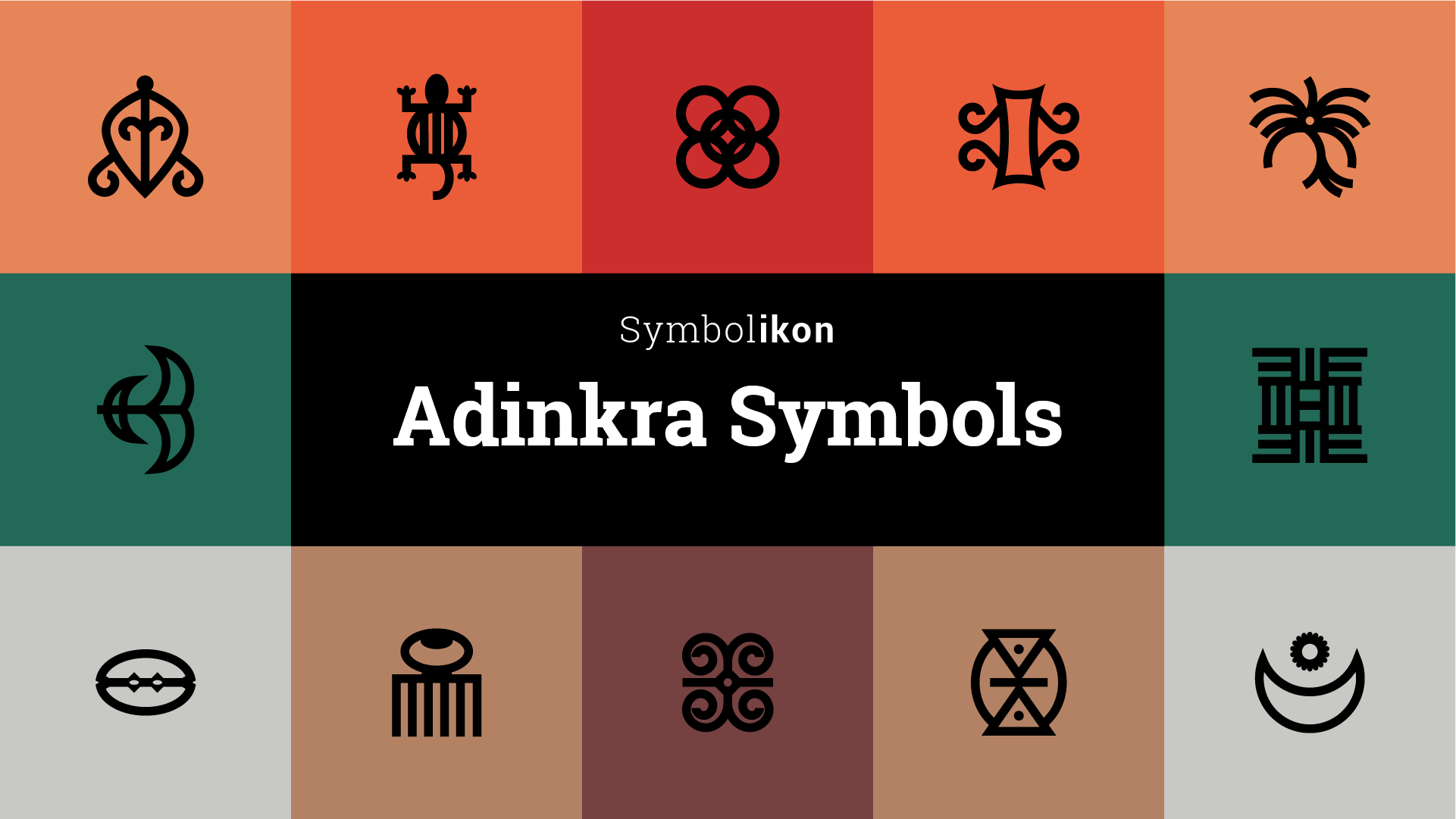
Adinkra symbols are among the most recognizable forms of African visual art. Developed by the Ashante (or Asante) people of Ghana, these intricate symbols can be traced back to the 17th century . They are not merely decorative—they represent a sophisticated visual language that encodes the wisdom, beliefs, and values of the Ashanti people.
Origins and Tradition
The origins of Adinkra are deeply rooted in Ashanti history and spirituality. According to oral tradition, the symbols were created by Nana Kwadwo Agyei Adinkra, a king of the Gyaman people (in present-day Côte d’Ivoire), whose name means “farewell” or “goodbye.” The symbols were originally used in funeral rites to express the qualities of the deceased. Over time, they were adopted and expanded by the Ashanti, evolving into a comprehensive system of visual communication.
Initially, clothes adorned with Adinkra symbols were worn only during ceremonies to honor the dead. The symbols on a mourner’s clothing expressed the qualities that were attributed to the deceased . Over time, the number of symbols grew, and in modern times, they are used for everyday wear as well as for special occasions, including festivals, weddings, and political events.
The symbols are created by cutting a stamp from the thick skin of a calabash gourd, dipping it in dye made from tree bark, and pressing it repeatedly onto cloth to create patterns . This tradition of textile printing, known as Adinkra cloth-making, continues to flourish in Ghana today, particularly in the towns of Ntonso and Bonwire, where artisans have preserved and refined the craft for generations.
Read Also: African Proverbs and Their Meanings – Wisdom from the Continent
The Meaning Behind the Symbols
Each Adinkra symbol is associated with a specific proverb or concept. Here are some of the most powerful examples:
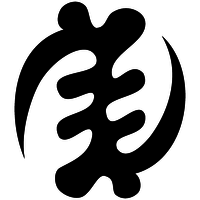 Gye Nyame: Literally meaning “except God.” This is one of the most popular symbols, representing the omnipotence and supremacy of God. It signifies the belief that one should have confidence in their abilities, except in matters that only God can control . It is often used as a symbol of faith and spiritual humility, and it is common in Ghanaian architecture and branding.
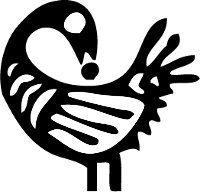 Sankofa: Literally “go back to fetch it.” This symbol, often depicted as a bird with its head turned backward, represents the importance of learning from the past to build a successful future. It encourages reflection, wisdom, and reclaiming lost heritage . The Sankofa bird is one of the most internationally recognized Adinkra symbols, appearing in diaspora art, logos, and academic institutions.
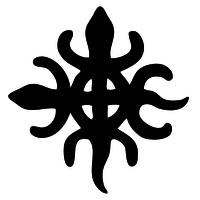 Funtummireku-Denkyemmireku: This symbol of a two-headed crocodile with a common stomach represents the oneness of the human family, despite cultural differences. It emphasizes the need for unity, especially when people share a common destiny . It serves as a reminder that internal conflict can destroy a shared future, a lesson often invoked in Ghanaian politics and community leadership.
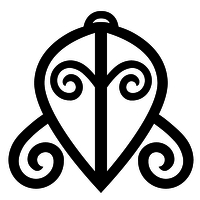 Odo Nnyew Fie Kwan: Meaning “love does not get lost on its way home.” This is a symbol of love, devotion, and faithfulness, representing the idea that true love will always find its way back . It is often used in wedding ceremonies and romantic contexts.
 Owuo Atwedee: “The ladder of death will be climbed by all.” The rungs of the ladder are representative of the stages of life. This symbol serves as a reminder that death is inevitable and inescapable, encouraging humility and a focus on meaningful living .
 Akoma Ntoaso: Literally “the joined or united hearts.” It symbolizes agreement, understanding, or the bonding that occurs after a disagreement when parties make amends . It is a symbol of reconciliation and peacemaking.
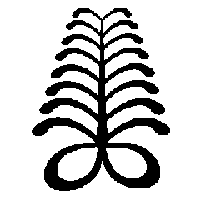 Aya: The fern. It symbolizes a versatile and resourceful person, able to withstand difficulties and function on many levels . It is a symbol of resilience and adaptability.
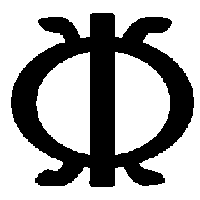 Wawa Aba: “The seeds of the wawa tree.” The wawa tree has very hard seeds. This symbol represents hardiness, toughness, and perseverance in the face of challenges . It is often used to encourage perseverance in difficult circumstances.
Beyond the Eight: Other Notable Adinkra Symbols
| Symbol | Name | Meaning |
|---|---|---|
| Akofena | “Sword of war” | Authority, courage, and valor. A symbol of state power and military prowess. |
| Duafe | “Wooden comb” | Beauty, cleanliness, and feminine qualities. A symbol of care and grooming. |
| Gye Nyame (already listed) | “Except God” | The supremacy and omnipotence of God. |
| Mpatapo | “Knot of reconciliation” | The bond that unites parties in conflict. A symbol of peace and reconciliation. |
| Sankofa (already listed) | “Go back to fetch it” | Learning from the past to build a successful future. |
| Owo Foro Adobe | “Snake climbing the raffia palm” | Prudence, wisdom, and patience. A symbol of strategic advancement. |
A Living Tradition
Adinkra symbols and meanings are powerful examples of how African culture transmits knowledge across generations. They are not static—the tradition continues to flourish, and the total number of symbols continues to grow . These symbols are now seen not only on cloth but also in architecture, pottery, logos, and digital media. They have become a global symbol of African identity, heritage, and resilience. From the logos of African businesses to the branding of global fashion houses like Burberry and Stella McCartney, Adinkra symbols have made their way into contemporary design, often as a statement of cultural pride and sophistication.
Our View
The Adinkra tradition represents the best of African culture: a deep philosophy embedded in art, accessible to all. The symbols capture complex ideas, guiding principles, and collective wisdom in a simple, beautiful form. For the Ashanti people, and for Africans everywhere, Adinkra is a reminder that our ancestors’ wisdom is not just in the past—it is a living resource, a compass for navigating the present and building a future that honors our past. As these symbols continue to inspire artists, designers, and thinkers around the world, they remind us that African knowledge systems have always been sophisticated, adaptable, and universal.
Do you know any other Adinkra symbols and meanings that we have not spoken of yet? Let us know.