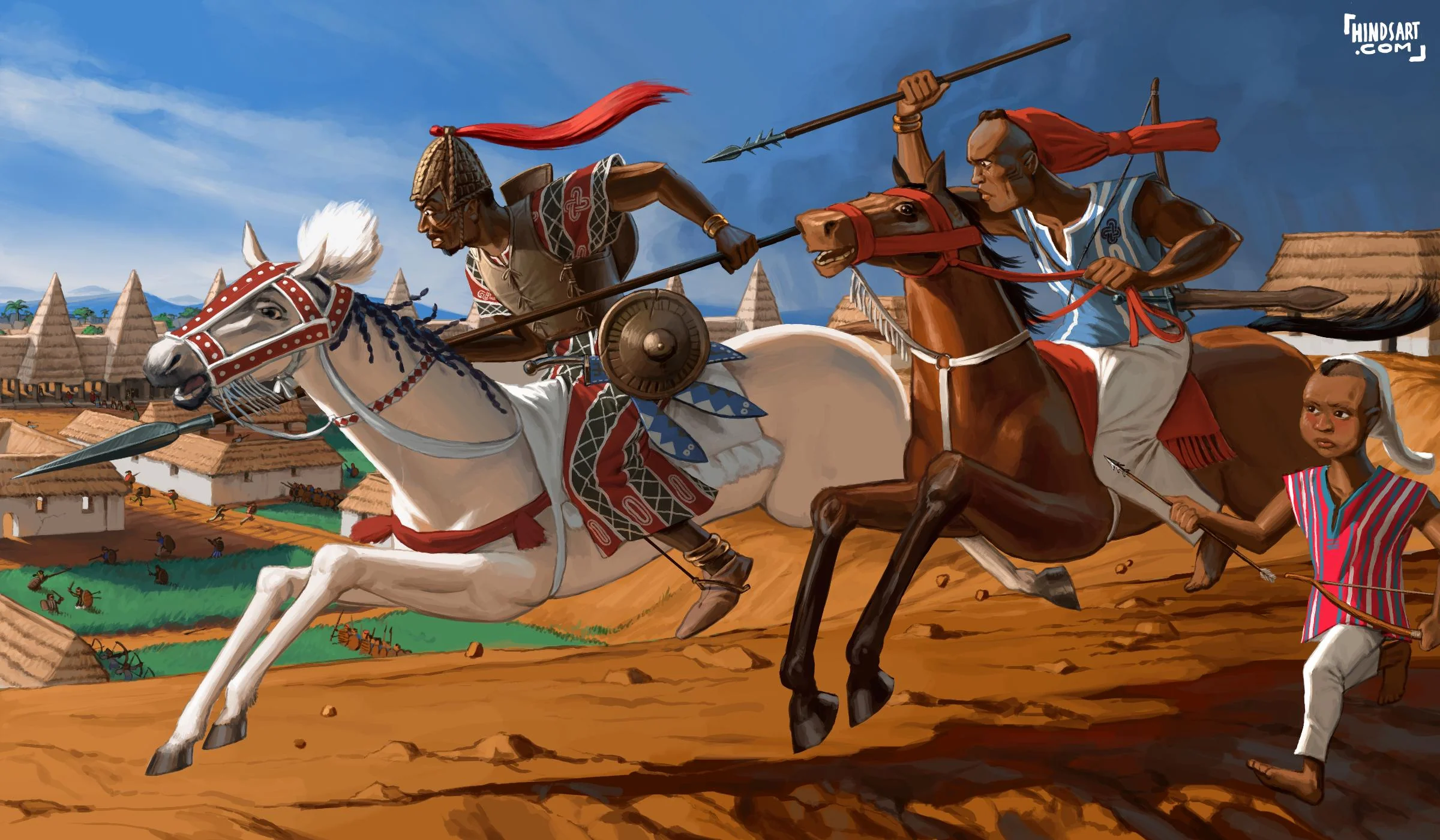
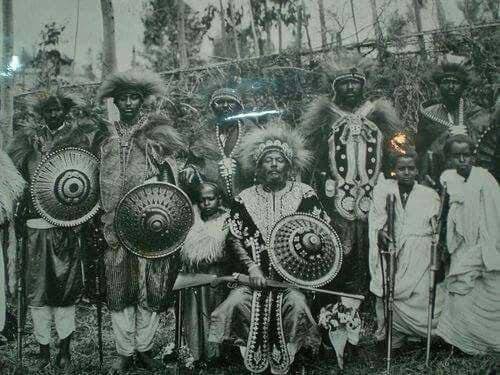
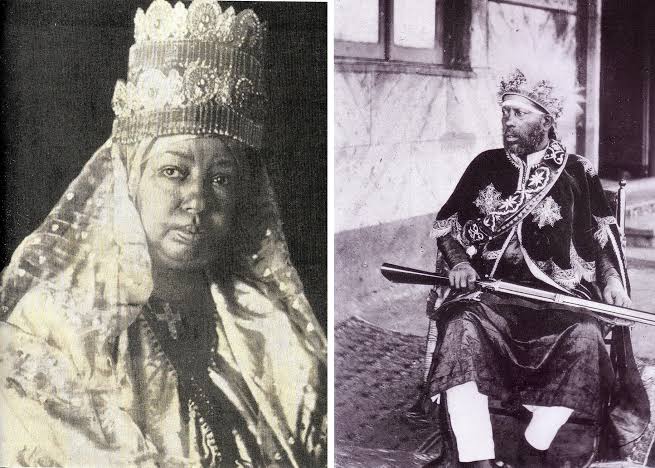
Did you that on March 1, 1896, a remarkable event unfolded in the hills of northern Ethiopia? An African army, led by Emperor Menelik II and Empress Taytu Betul, delivered a crushing defeat to an invading Italian force at the Battle of Adwa.
At a time when the “Scramble for Africa” had carved up almost the entire continent among European powers, Ethiopia stood as one of only two independent African nations, alongside Liberia . The victory at Adwa not only preserved Ethiopian sovereignty but became a powerful symbol of resistance and Pan-African unity that still resonates today .
The Treaty That Sparked War
The seeds of the conflict were sown in 1889 when Italy signed the Treaty of Wuchale with Emperor Menelik II . The treaty recognized Italy’s claim over Eritrea and promised financial assistance, but a dispute arose over Article 17 .
The Italian version of the treaty claimed that Ethiopia was obliged to conduct all foreign affairs through Italy, effectively making it a protectorate. The Amharic version, however, stated that Ethiopia could use Italy’s good offices if it wished . When Menelik repudiated the treaty in 1893, Italy decided on a military solution .
The Strength of Both Armies
| Force | Strength |
|---|---|
| Ethiopian Army | 73,000–100,000+ men, well-armed with modern rifles |
| Italian Army | 14,500 men (slightly more than half Italian; the rest were Eritrean askari) |
The Italians were poorly supplied, short on food, water, and reliable maps . Emperor Menelik had shrewdly downplayed his military strength, leaking false reports that his forces were smaller and divided .
On The Day Of Battle
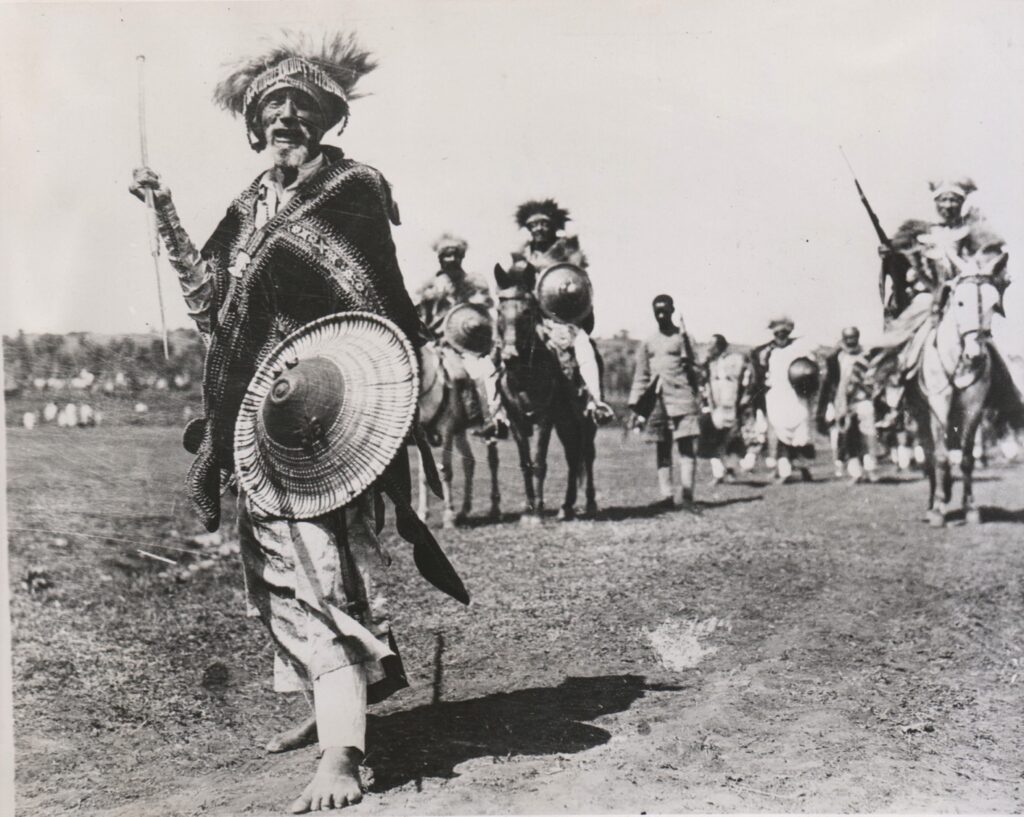
On the evening of February 29, 1896, General Oreste Baratieri met with his generals. Provisions were exhausted in less than five days. Retreat was suggested, but his subordinates argued forcefully for an attack. General Dabormida exclaimed: “Italy would prefer the loss of two or three thousand men to a dishonorable retreat” .
The Italian forces advanced to Adwa. Their columns were disorganized and unable to navigate the difficult terrain effectively . The Ethiopian forces, united under Menelik and his commanders—including Ras Makonnen and Empress Taytu—routed the Italians .
Casualties:
-
Ethiopia: ~3,886 killed, ~6,000 wounded
-
Italy: ~4,339 Italians killed, ~618 askari killed, ~1,829 captured
Read Also: The Empire of Mali – More Than Just Mansa Musa’s Gold
Why Adwa Matters: The First Crushing Defeat of a European Colonial Power
The victory at Adwa was the first time an African power decisively defeated a European colonial army . It sent shockwaves across the world and shattered the myth of European invincibility .
1. Safeguarding Ethiopian Sovereignty
Following the defeat, Italy signed the Treaty of Addis Ababa (October 1896), which fully recognized Ethiopia’s independence . Ethiopia remained sovereign until the Second Italo-Ethiopian War (1935–1937) .
2. A Symbol for Pan-Africanism
The victory became a pre-eminent symbol of African resistance and Pan-Africanism . It inspired anti-colonial movements across the continent and the diaspora . Professor Hakim Adi, a renowned historian, states: “The Battle of Adwa is still powerful because it represents African victory. It shows that Africans can stand up for their sovereignty, their independence, that if we fight, then our enemies can be defeated” .
3. Ethiopia as the ‘Beacon of Hope’
Ethiopia became a symbol of African self-respect and independence from European domination . As one researcher noted, the victory “symbolized not only the survival of Ethiopian independence, but signified also the first major challenge to European imperialism” .
4. The Birthplace of Pan-African Institutions
It is no coincidence that Ethiopia became the host nation for the Organization of African Unity (OAU) in 1963 and remains the headquarters of the African Union today. “Ethiopia’s continued independence and sovereignty serve as lasting symbols of African resilience,” says Professor Adi .
Lessons Learnt
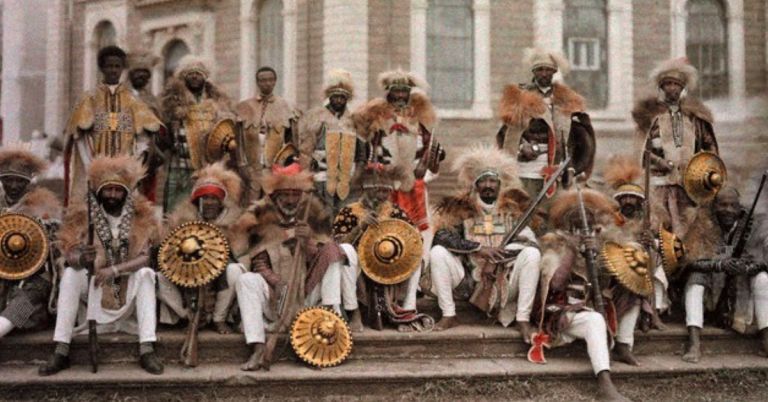
The lessons of Adwa remain powerful:
-
Unity is strength: Ethiopians from every ethnic group and background united to defend their sovereignty
-
Resistance is possible: Even against a “superior” colonial power, a united African force can triumph
-
Symbols matter: Adwa became a beacon of hope that fueled the rise of Pan-Africanism and the eventual liberation of the continent
As the Ethiopian News Agency noted: “The lesson from Adwa was loud and clear, united Africans can overcome any challenge facing them” .
What We Think
The Battle of Adwa is a story that belongs to all of Africa. It is proof that African civilizations were not passive victims of history. It is a reminder that our ancestors fought, resisted, and triumphed against overwhelming odds.
As we build a new Africa—one that is united, prosperous, and free—we must remember the spirit of Adwa. It is a legacy of courage, unity, and the fierce determination to remain masters of our own destiny.