Today In African history in 1992, Nelson Mandela announced that the African National Congress (ANC) was suspending all talks with the South African government in the wake of the Boipatong massacre . The decision marked one of the most dangerous moments in South Africa’s journey from apartheid to democracy.
The Massacre That Shook a Nation
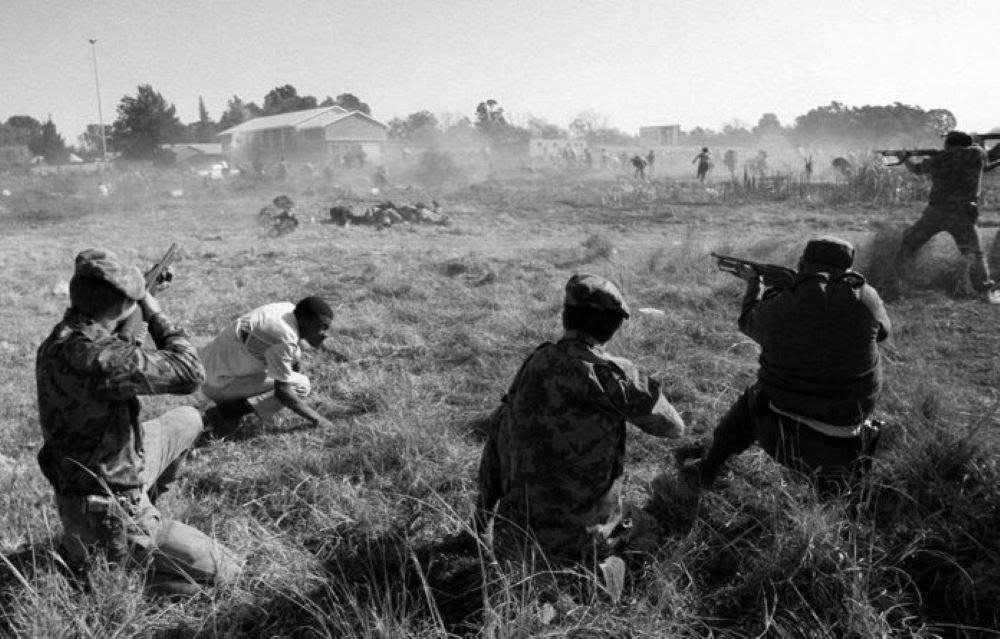
Just four days earlier, on June 17, 1992, a group of about 300 armed men from the KwaMadala Hostel attacked the Joe Slovo informal settlement in Boipatong, near Vereeniging . The attackers, who were affiliated with the Inkatha Freedom Party (IFP), hacked, stabbed, and shot their way through the township, killing 45 people and seriously injuring 27 others . Among the victims were at least nine children, two babies, and 17 women . Many were killed in their homes while sleeping.
The Blame Game
The ANC blamed President F.W. de Klerk’s government for not doing enough to stop the violence and accused the state of complicity in the massacre . The organization pointed to de Klerk’s recent declaration in Japan that his government had a plan to counter mass action, which included mobilizing the army, police, and police reservists .
The massacre threatened to derail the delicate CODESA negotiations that had been working toward a new constitution for South Africa . The talks had already stalled in May, and the Boipatong attack pushed them to the breaking point.
Read Also: Africa Seeks Partnerships, Not Sympathy — President Mahama Tells Global Investors
Mandela’s Anger
When Mandela visited Boipatong on June 21, he expressed his fury: “I am convinced we are no longer dealing with human beings but animals… We will not forget what Mr de Klerk, the National Party and the Inkatha Freedom Party have done to our people. I have never seen such cruelty” .
The ANC formally broke off negotiations with all parties and vowed not to return to the table until de Klerk met a long list of demands, including an international commission of inquiry into the massacre, the prosecution of police involved in township violence, and the phasing out of migrant worker hostels like the one from which the attack was launched .
A Temporary Setback
While the boycott seemed to herald the end of CODESA I, it actually paved the way for CODESA II, which prepared South Africa for the first democratic elections held less than two years later . The massacre and the resulting crisis ultimately strengthened the resolve of those seeking a peaceful settlement .
The Truth and Reconciliation Commission’s Findings
The question of police complicity has remained contentious. A criminal trial in 1993 convicted IFP supporters but ruled that police played no part in the massacre . However, the Truth and Reconciliation Commission (TRC) concluded in 1998 that police were involved . The TRC’s Amnesty Committee later found in 2000 that police were not involved, adding another layer of complexity to the tragedy .