When people hear the name “Ghana” today, they think of the vibrant West African nation known for its rich culture, gold, and cocoa. But the modern Republic of Ghana is not the original Ghana. In fact, the ancient empire that gave the country its name was located over 800 kilometres away, in what is now southeastern Mauritania and western Mali . This is the story of the Ancient Ghana Empire—and why its name was chosen to baptise a new nation.
The Wagadou Empire: What Was Ancient Ghana?
The medieval polity we now call the Ghana Empire was actually known to its people as the Wagadou Empire . “Ghana” was not the name of the land—it was the title of its kings, meaning “warrior king” or “ruler” in the Soninke language .
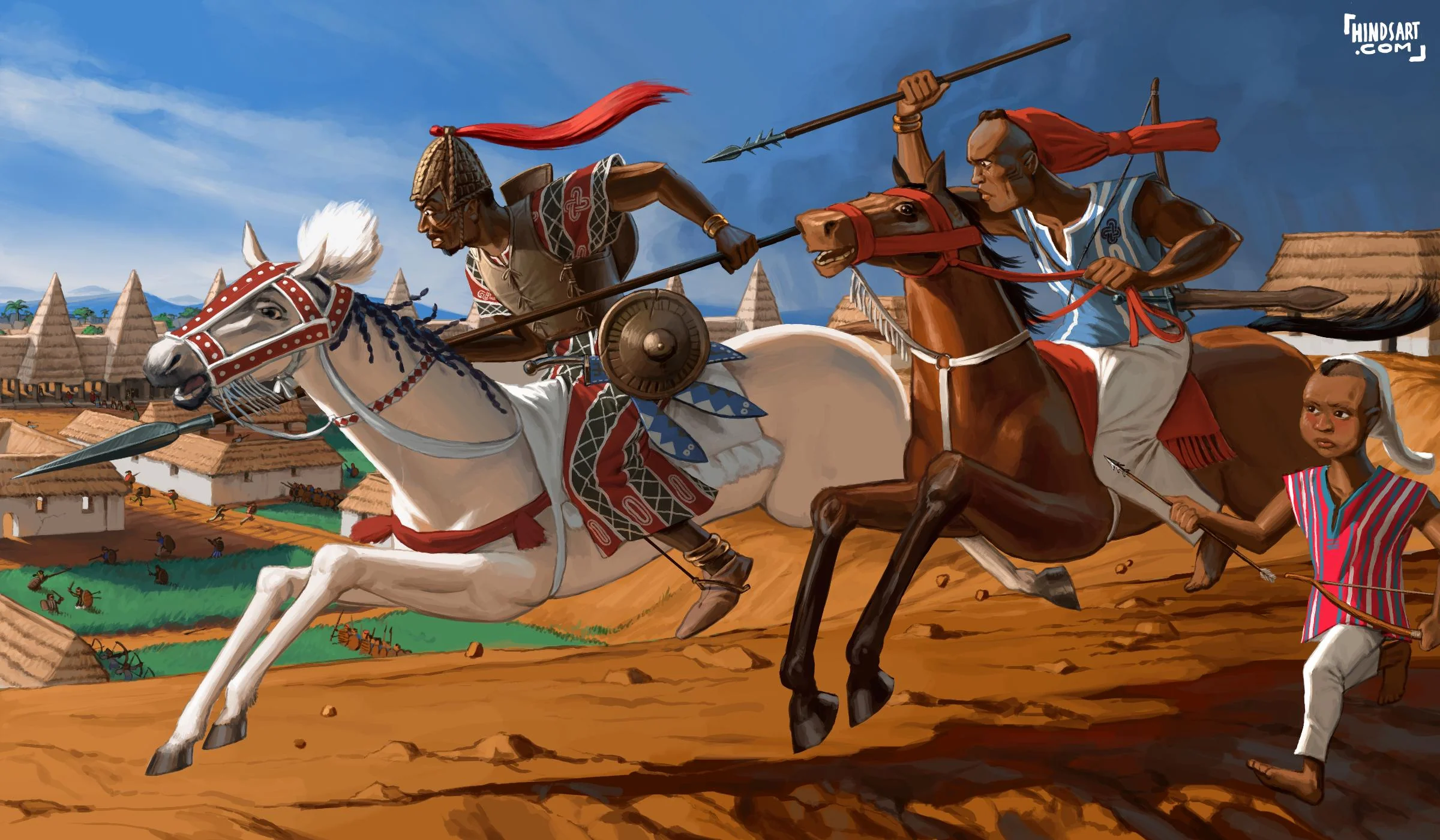
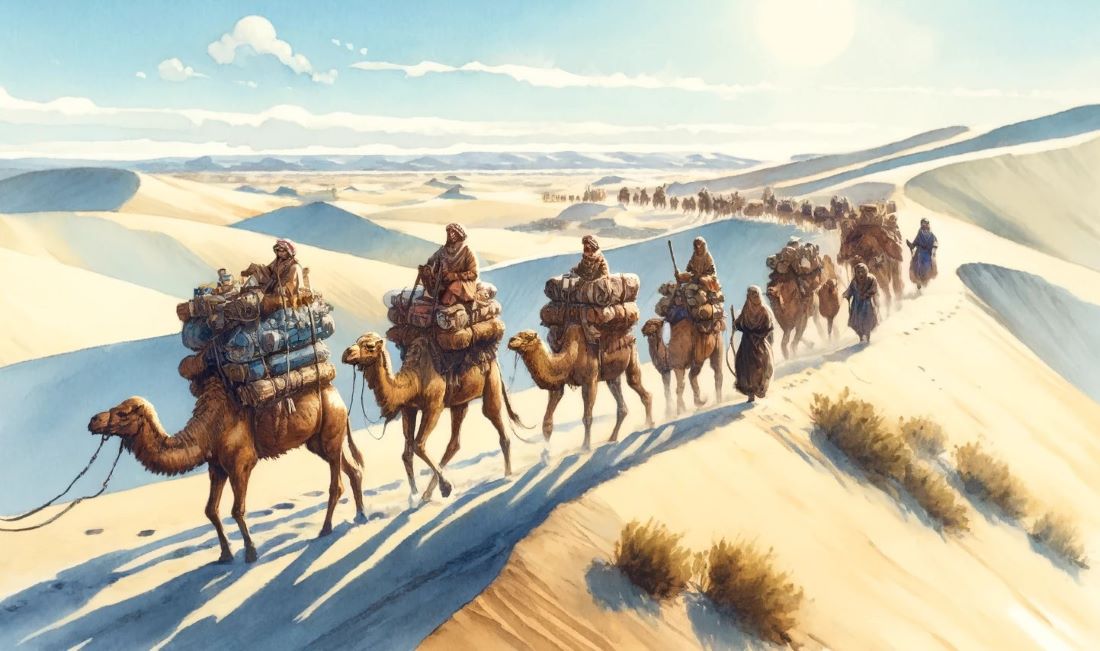
Flourishing between the 4th and 13th centuries, the empire controlled the trans-Saharan gold and salt trade . Its wealth was legendary, and it was known across the Sahel for its:
-
Centralised authority
-
Vast gold and salt reserves
-
Long-distance trade networks
The empire’s capital was the city of Koumbi Saleh, and at its peak, it commanded territory stretching across the region between the Senegal and Niger Rivers .
Where Was It?
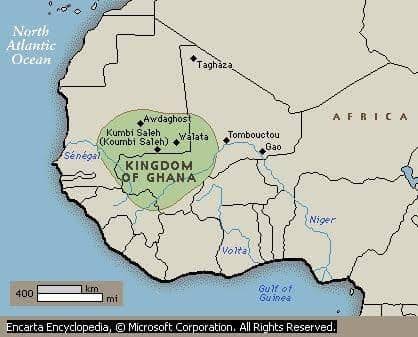
| Aspect | Ancient Ghana Empire | Modern Ghana |
|---|---|---|
| Location | Southeastern Mauritania & western Mali | Gulf of Guinea, West Africa |
| Distance between them | ~800 km apart | |
| Peak period | 4th–13th centuries | Independence in 1957 |
The two places share no geographical overlap. The ancient empire was located roughly 500 miles north of the modern nation . There is no firm historical account of any direct linkage between the tribes of ancient Ghana and those of modern Ghana .
Why Did the Empire Collapse?
The Ghana Empire was absorbed into the larger Mali Empire in 1240 AD under Sundiata Keita . By the 13th century, it had weakened due to:
-
Internal succession disputes
-
The rise of the Almoravids and other powers
-
Economic pressures and climate change in the Sahel
The name “Ghana” was not preserved in a prominent way by the people who lived there . It faded as a political entity but lingered as a title and a memory of power.
Read Also: How Ethiopia Defeated Italy: The Battle of Adwa and Its Pan-African Legacy
Why Did Nkrumah Choose “Ghana”?
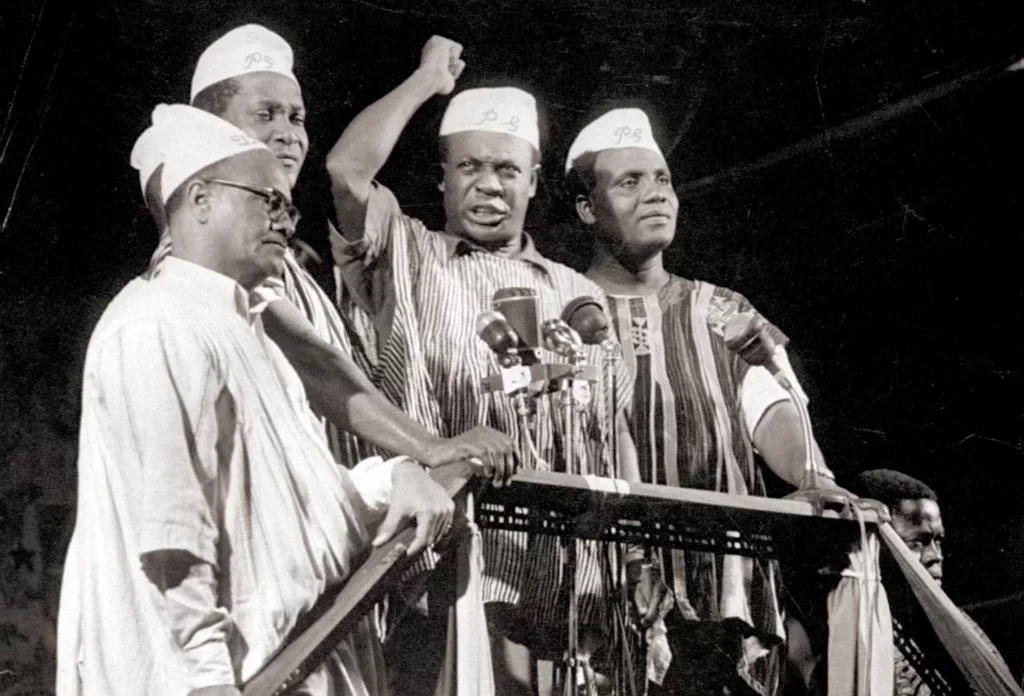
Prior to independence, the Gold Coast was known simply for its gold—a name given by European colonisers . At independence, Osagyefo Dr. Kwame Nkrumah and his government made a deliberate choice to rename the country.
The Symbolic Act
Choosing “Ghana” was not a casual decision. It was debated among intellectuals, nationalists and political figures who wanted a name that would resonate beyond the colony’s borders . The new name signalled:
-
A break from the colonial past – rejecting the narrow, extractive identity of “Gold Coast”
-
A claim to dignity – embracing a broader, pan-African story
-
An aspiration to leadership – choosing a name associated with power and statecraft
The Pan-African Vision
Nkrumah’s passion for Pan-Africanism played a key role . He found it fitting to pick a name from anywhere on the African continent that carried the authority and prestige he wanted the new nation to claim . The ancient Ghana Empire was remembered as a model of African sovereignty, and its name lent moral weight to a nation emerging from colonial rule .
Domestic and International Significance
The renaming was both inward-facing and outward-facing :
-
Domestically, it helped forge a national narrative that could unite diverse ethnic groups under a single banner
-
Internationally, it positioned the new state within a lineage of African polities, asserting that modern nationhood could draw legitimacy from pre-colonial achievements
Was There Any Link?
Some have argued that certain ethnic groups in present-day Ghana—such as the Mamprussi, Dagomba, Gonja, and even some Akan groups—may have ancestors linked to the ancient empire . Anecdotal evidence points to names like “Danso” shared between the Akans of present Ghana and the Mandikas of Senegal/Gambia, who have strong links with the empire .
But the historical consensus is clear: the connection is symbolic, not territorial .
The Legacy of Ancient Ghana Today
More than six decades on, the name Ghana still anchors national identity, shapes diplomatic posture, and features in the country’s cultural memory . The symbolic link to a storied past has helped successive governments and civil society actors frame development and nation-building as part of a longer African story .
Yet the name also serves as a reminder of the limits of symbolism. Invoking the medieval Ghana does not erase the complexities of modern statehood—colonial legacies, ethnic diversity, economic challenges, and regional geopolitics remain immediate realities .
Why This Story Matters
Understanding why the Gold Coast became Ghana helps us see how nations use history to make claims about legitimacy and destiny . It shows that naming is never neutral—it is a political act that shapes how citizens see themselves and how the world sees them .
For a newly independent state in 1957, choosing Ghana was a way to assert dignity, continuity and leadership—a choice that still echoes in the country’s institutions, ceremonies, and public imagination.