
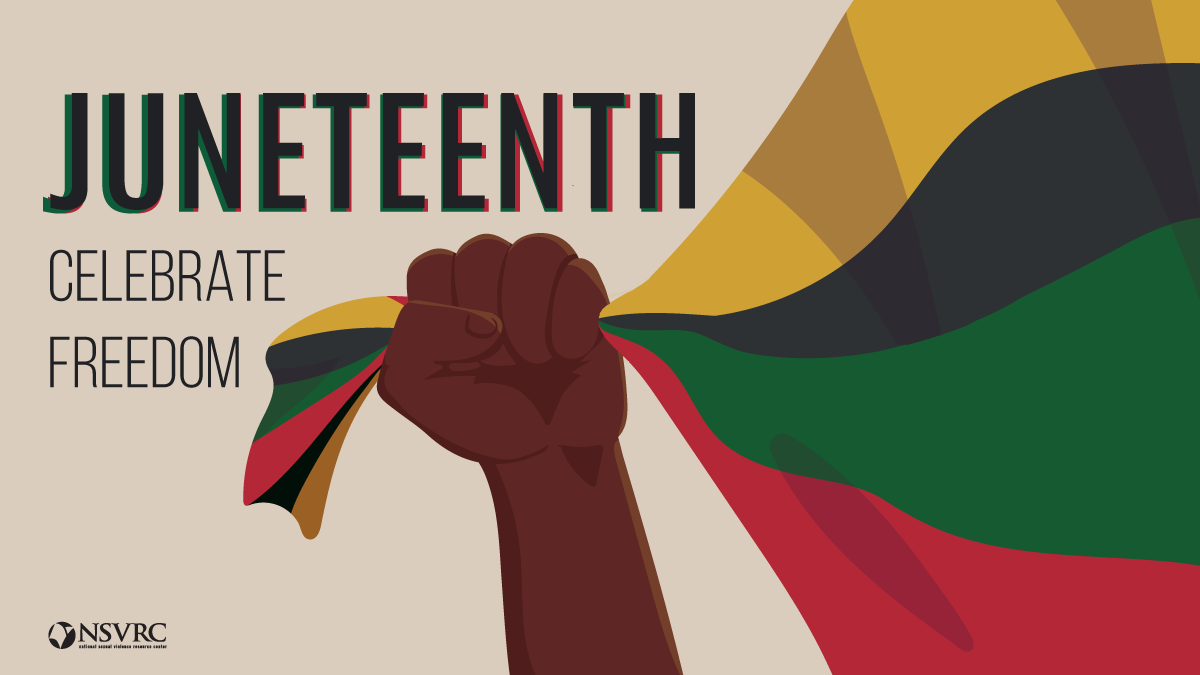
Celebrating Juneteenth at Ghana’s Osu Castle
On June 20, 2026, African and Caribbean leaders gathered at Ghana’s Osu Castle to mark Juneteenth — the annual commemoration of the end of slavery in the United States. The event was a powerful moment of unity, remembrance, and renewed calls for justice and reparations.
A Historic Setting with a Heavy Past
Osu Castle, also known as Christiansborg Castle, is one of the most significant sites in the history of the transatlantic slave trade. Located on the coast of Accra, it served as a trading post for Danish, Portuguese, and British colonial powers, and later as the seat of government in Ghana. For centuries, it was a holding point for enslaved Africans before they were shipped across the Atlantic. Today, it stands as a symbol of both the tragedy of slavery and the resilience of the African spirit.
Gathering at such a site added immense weight to the leaders’ messages. As one attendee noted, “This is the place where many of our ancestors took their last steps on African soil.” The choice of location was deliberate — a powerful reminder that the history of slavery is not abstract, but rooted in specific places where millions of lives were forcibly changed. The ceremony included traditional drumming and a wreath-laying tribute, symbolizing a moment of shared mourning and collective resolve.
Juneteenth: A Day of Remembrance and Resistance
Juneteenth commemorates June 19, 1865, when Union soldiers arrived in Galveston, Texas, with news that the Civil War had ended and that enslaved people were free — two and a half years after the Emancipation Proclamation . The day has long been celebrated in African American communities, and in 2021 it was officially recognized as a U.S. federal holiday . Marking Juneteenth at Osu Castle connected this American tradition directly to its African origins, creating a powerful symbolic bridge across the Atlantic.
Read Also: The ‘Hate Watch’: Why Africa Cheered Mexico’s 2-0 Win Over South Africa
The Call for Reparations: A Renewed Commitment
The Juneteenth gathering was not just a ceremonial event — it was a platform for action. Leaders from across the African continent and the Caribbean renewed their commitment to the reparations movement, calling on former colonial powers to address the ongoing economic and social impacts of slavery. The discussions focused on:
-
Reparatory justice for the descendants of enslaved people
-
Economic investment in communities affected by the slave trade
-
Cultural reconnection between Africa and its diaspora
-
Political advocacy for systemic change at international levels
A communiqué issued after the gathering reaffirmed the collective demand for reparations, echoing the sentiments of the CARICOM Reparations Commission and the African Union’s Reparations Agenda. The leaders called for a unified approach to engage former colonial nations in meaningful dialogue and financial redress.
A Growing Movement
The Juneteenth commemoration at Osu Castle is part of a broader movement gaining momentum across the African diaspora. In recent years, Caribbean nations have announced plans to seek reparations from European countries, while African leaders have increasingly called for a united front on the issue. At the 2023 African Union summit, reparations were a central theme, with leaders agreeing to create a unified framework for negotiations with former colonial powers.
Ghana has been at the forefront of this movement. Through initiatives like the “Year of Return” in 2019 and the “Beyond the Return” campaign, Ghana has positioned itself as a hub for diaspora engagement and cultural reconnection. The Juneteenth gathering at Osu Castle continues this legacy, reinforcing Ghana’s role as a spiritual and cultural anchor for people of African descent worldwide. It also builds on the momentum of the 2024 “Pan-African Reparations Conference” in Accra, which brought together policymakers, activists, and scholars to chart a path forward.
The AfricanaWeb Perspective
The gathering at Osu Castle is a powerful reminder that the legacy of slavery is not just a chapter of the past — it is a living reality that continues to shape the lives of people across Africa, the Caribbean, and the Americas. The renewed calls for justice and reparations are part of a broader effort to acknowledge historical wrongs and build a more equitable future. These calls have gained new urgency, with the United Nations and international legal bodies increasingly recognizing the moral and legal case for reparatory justice.
As African and Caribbean leaders continue to unite around this cause, they send a clear message: the time for justice is now.
Sources and Further Reading
-
CARICOM Reparations Commission. (2024). The Case for Reparatory Justice in the Caribbean. Georgetown, Guyana.
-
African Union. (2023). Reparations and the Future of African-Diaspora Relations. Addis Ababa, Ethiopia.
-
Antwi, K. (2020). “The Year of Return and Ghana’s Diaspora Strategy.” African Affairs, 119(476), 345–367.
-
BBC News. (2021). “Juneteenth: What It Is and How It Is Observed.” BBC News. Retrieved from BBC.com.
-
Ghana Tourism Authority. (2025). “Beyond the Return: A Ghanaian Diaspora Initiative.” Accra, Ghana.