
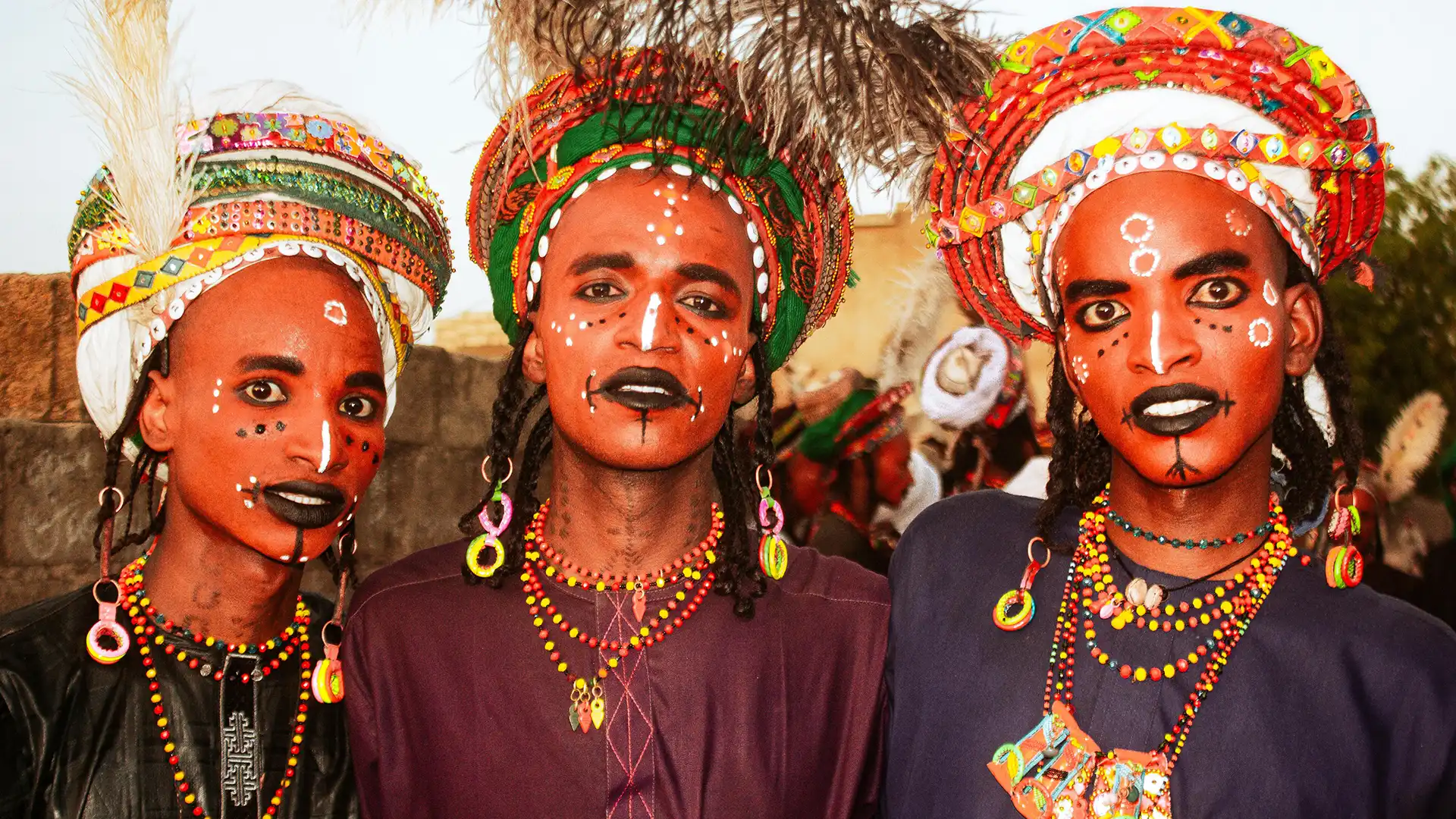
Why Festivals Matter in Africa
Africa is a continent with diverse cultures, traditions and norms. From the migration roots and way of life to food, dances and dress that carry deep meaning. While outside influences have changed some traditions, festivals remain a powerful link to the past. These celebrations help the younger generations learn about their tribes and grasp some meanings to the African way of life. This guide covers traditional festivals celebrated in all the 54 countries on the African continent.
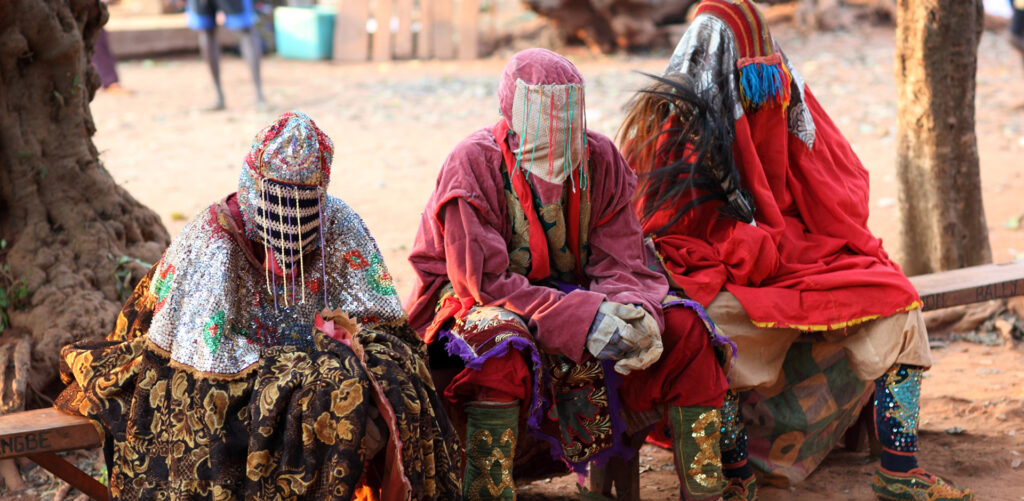
Let’s start with West Africa, home to some of the continent’s most vibrant festivals. The table below shows all the West African countries, their capitals and notable festivals.
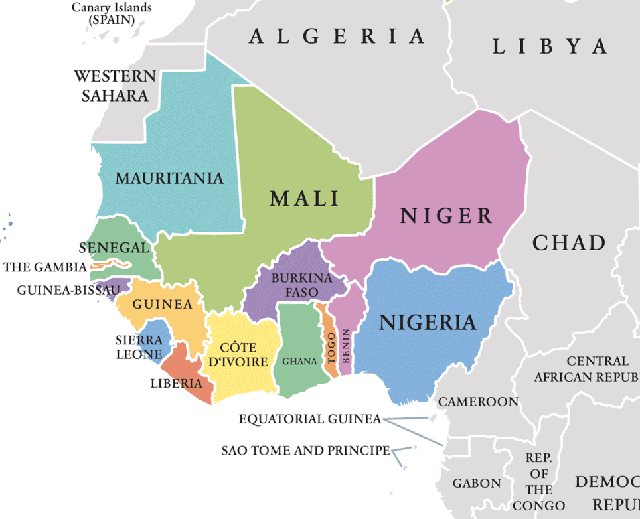
The 16 Countries In West of Africa
| # | Country | Capital | Notable Festivals |
|---|---|---|---|
| 1 | Benin | Porto-Novo | Vodun (Voodoo) Festival, Gélédé Festival |
| 2 | Burkina Faso | Ouagadougou | FESPACO (film festival), SIAO (arts festival) |
| 3 | Cabo Verde | Praia | Kriol Jazz Festival, Baía das Gatas Music Festival |
| 4 | Côte d’Ivoire | Yamoussoukro | Fêtes des Masques (Festival of Masks), Abissa Festival |
| 5 | Gambia | Banjul | Roots Festival, Kankurang Festival |
| 6 | Ghana | Accra | Homowo, Aboakyer, Panafest, Fetu Afahye, Damba |
| 7 | Guinea | Conakry | Fête de l’Indépendance, Fêtes des Masques (Baga people) |
| 8 | Guinea-Bissau | Bissau | Carnival (Carnaval da Guiné-Bissau) |
| 9 | Liberia | Monrovia | Independence Day (July 26), Pioneer Day |
| 10 | Mali | Bamako | Festival au Désert (Essakane), Ségou’Art Festival |
| 11 | Mauritania | Nouakchott | Guetna (date harvest festival), Nouakchott International Festival |
| 12 | Niger | Niamey | Cure Salée (salt cure festival), Gerewol Festival |
| 13 | Nigeria | Abuja | Durbar (Kano, Katsina), Osun-Osogbo Festival, Eyo Festival, Calabar Carnival |
| 14 | Senegal | Dakar | Fanal (Saint-Louis), Dakar Biennale, Magal de Touba |
| 15 | Sierra Leone | Freetown | Freetown Music Festival, Maroon Festival |
| 16 | Togo | Lomé | Evala Festival, Gbagba Festival, Dapaong Carnival |
Moving east, the festival landscape shifts. Here, ancient religious ceremonies meet coastal rhythms, and modern music festivals sit alongside royal boat processions.
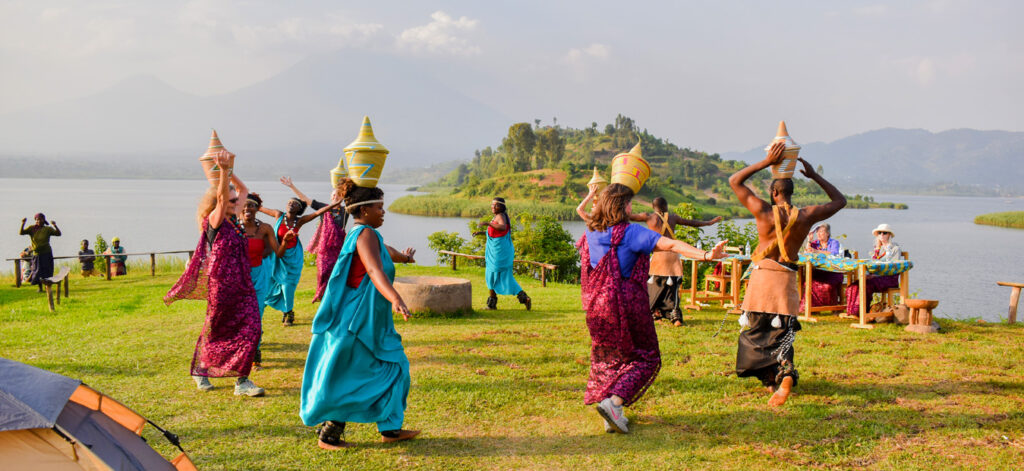
East Africa is home to some of the continent’s most visually stunning celebrations — from Ethiopia’s Timkat, where priests carry sacred tabots through streets lined with pilgrims, to Zanzibar’s Sauti za Busara, a vibrant showcase of Swahili music and art.
In this region, festivals are not just events — they are living expressions of identity, faith, and community. Whether it’s Rwanda’s gorilla-naming ceremony, Kwita Izina, or Zambia’s Kuomboka, where a king navigates the flooded plains, each celebration tells a story of survival, joy, and belonging.
Let’s explore some of East Africa’s most unforgettable festivals.
East African Countries
| # | Country | Capital | Notable Festival Examples |
|---|---|---|---|
| 1 | Burundi | Gitega | Unity Day (July 1), Drum Festival, Sorghum Festival |
| 2 | Comoros | Moroni | Mwaka Kwa (New Year), Maoulida (religious festival) |
| 3 | Djibouti | Djibouti | Independence Day (June 27), Djibouti International Festival |
| 4 | Eritrea | Asmara | Independence Day (May 24), Asmara Carnival |
| 5 | Ethiopia | Addis Ababa | Timkat (Epiphany), Meskel (Finding of the True Cross), Enkutatash (New Year) |
| 6 | Kenya | Nairobi | Lamu Cultural Festival, Turkana Festival, Mombasa Carnival, Lake Turkana Festival |
| 7 | Madagascar | Antananarivo | Famadihana (Turning of the Bones), Donia Music Festival, Ave Maria |
| 8 | Malawi | Lilongwe | Lake of Stars Festival, Umthetho Cultural Festival, Malamba Festival |
| 9 | Mauritius | Port Louis | Maha Shivaratri, Cavadee, Divali, Mauritius International Carnival |
| 10 | Mozambique | Maputo | Azgo Festival, Festival of the Arts, Marrabenta Festival |
| 11 | Rwanda | Kigali | Kwita Izina (Gorilla Naming Ceremony), Umuganura (Harvest Festival), Rwanda Film Festival |
| 12 | Seychelles | Victoria | Festi Kreol (Creole Festival), Seychelles Carnival, Victoria Jazz Festival |
| 13 | Somalia | Mogadishu | Somali Week (music & culture), Mogadishu Book Fair |
| 14 | South Sudan | Juba | Independence Day (July 9), Juba International Festival |
| 15 | Sudan | Khartoum | Sufi Dervish Festival, Nuba Mountains Cultural Festival |
| 16 | Tanzania | Dodoma | Sauti za Busara (Zanzibar), Mwaka Kogwa (Zanzibar), Zanzibar International Film Festival, Kilimanjaro Marathon |
| 17 | Uganda | Kampala | Kampala City Festival, Nyege Nyege Festival, Amakula Film Festival, Ekyooto Ha Mpango |
| 18 | Zambia | Lusaka | Kuomboka Ceremony, Likumbi Lya Mize, Livingstone International Arts Festival |
| 19 | Zimbabwe | Harare | Harare International Festival of the Arts (HIFA), Shona Sculpture Exhibition, Mbira Festival |
From the Great Lakes and coastal islands, we now turn north — across the Sahara — to a region shaped by Berber, Arab, and Mediterranean influences.”
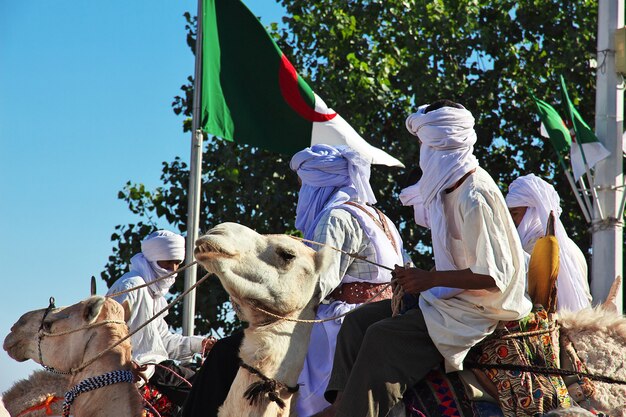
North Africa offers a festival landscape distinct from the rest of the continent. Here, ancient Berber harvest rites meet Islamic religious observances, Roman ruins become stages for international arts festivals, and Sahara desert gatherings celebrate nomadic traditions.
From Morocco’s Gnawa World Music Festival to Tunisia’s International Festival of Carthage, these celebrations reflect a region where Africa meets the Arab world and the Mediterranean.
In North Africa, festivals are not just entertainment — they are declarations of identity, resilience, and cultural pride. Whether it’s Egypt’s Abu Simbel Sun Festival, Algeria’s Panafrican Cultural Festival, or Libya’s Ghat Festival in the desert, each event tells a story of people connected to both land and sea.
Let’s take a look at the festivals that define North Africa.
North African Countries (UN Definition)
| # | Country | Capital | Notable Festivals |
|---|---|---|---|
| 1 | Algeria | Algiers | Panafrican Cultural Festival, Timgad International Festival |
| 2 | Egypt | Cairo | Abu Simbel Sun Festival, Cairo International Film Festival, Moulid of Sayyid Ahmed al-Badawi |
| 3 | Libya | Tripoli | Ghat Festival, Libyan International Festival of Traditional Music |
| 4 | Morocco | Rabat | Gnawa World Music Festival (Essaouira), Fes Festival of World Sacred Music, Rose Festival (Kelaat M’Gouna), Marrakech International Film Festival |
| 5 | Sudan | Khartoum | Sufi Dervish Festival, Nuba Mountains Cultural Festival (sometimes also counted under East Africa) |
| 6 | Tunisia | Tunis | International Festival of Carthage, Dougga Festival, Djerba Ulysse Festival, Olive Tree Festival |
| 7 | Western Sahara (disputed territory) | El Aaiún | Sahrawi Culture Week, Nomad Festival (if counted separately; often excluded from standard country lists) |
Note: Sudan is sometimes listed under East Africa as well (Nile Valley region). For simplicity, many pillar pages either place Sudan in one region or give it a standalone mention. Western Sahara is a disputed territory and can be noted as such.

From the Mediterranean coast and Sahara’s edge, we now travel south — across the equator and through the savannas — to a region shaped by Bantu kingdoms, colonial histories, and vibrant post-independence cultures.
Southern Africa’s festival calendar is as diverse as its landscapes. Here, you’ll find the world’s largest dance gathering in Mozambique, royal reed ceremonies in Eswatini, and modern arts festivals in South African cities.
From the thundering drums of Zulu heritage celebrations to the jazz clubs of Cape Town and the Afrobeat festivals of Botswana, this region blends deep-rooted tradition with contemporary creativity.
In Southern Africa, festivals are often moments of royal display, youth empowerment, and cultural reclamation. Whether it’s Eswatini’s Umhlanga (Reed Dance), Malawi’s Lake of Stars, or Zimbabwe’s Harare International Festival of the Arts (HIFA), each event reflects a people proud of their past and eager to shape their future.
Southern African Countries
| # | Country | Capital | Notable Festivals |
|---|---|---|---|
| 1 | Angola | Luanda | Luanda International Jazz Festival, Carnival of Luanda, FestiKongo (Mbanza Kongo) |
| 2 | Botswana | Gaborone | Maun International Arts Festival, Gaborone International Music Festival, President’s Day Celebrations |
| 3 | Eswatini (Swaziland) | Mbabane | Umhlanga (Reed Dance), Incwala (First Fruits Ceremony), Bushfire Festival |
| 4 | Lesotho | Maseru | Morija Arts & Cultural Festival, Moshoeshoe’s Day (national celebration), Letsie Day |
| 5 | Namibia | Windhoek | Windhoek Jazz Festival, Omaruru Annual Festival, Herero Day (Red Flag Day), Zambezi Carnival |
| 6 | South Africa | Pretoria | National Arts Festival (Makhanda), Cape Town International Jazz Festival, Durban July (horse racing + fashion), AfrikaBurn, Innibos Arts Festival |
| 7 | Zambia | Lusaka | Kuomboka Ceremony, Livingstone International Arts Festival, Ncwala Festival (Ngoni people) |
| 8 | Zimbabwe | Harare | Harare International Festival of the Arts (HIFA), Shona Sculpture Exhibition, Mbira Festival |
From the royal reed dances of Eswatini and Cape Town’s jazz clubs, we now move into the continent’s heart — the rainforests, river basins, and savannas of Central Africa.
Central Africa is the continent’s least-documented region for festivals — not because celebrations don’t exist, but because they are often intimate, sacred, and tied to royal lineages or coming-of-age rites rather than tourism calendars.
Here, festivals are less commercial and more communal: water spirits honored in Cameroon, initiation ceremonies in Gabon, and the vibrant soukous music scene of Kinshasa, where every weekend feels like a celebration.
In the Democratic Republic of Congo, festivals like Makutano bring together artists and thinkers from across Africa. In Equatorial Guinea, Hispanic and African traditions blend in unique coastal festivities. And in São Tomé and Príncipe, religious plays reenact medieval battles between Christians and Moors.
Central Africa may not have the large-scale, tourist-friendly festivals of West or East Africa, but its cultural depth is undeniable. Let’s explore what the heart of Africa has to offer.
Central African Countries
| # | Country | Capital | Notable Festivals / Celebrations |
|---|---|---|---|
| 1 | Cameroon | Yaoundé | Ngondo Festival (coastal, water spirits), Nguon (Bamoun people), Nyembe (harvest festival) |
| 2 | Central African Republic | Bangui | Boganda Day (national), Independence Day, traditional Banda and Gbaya ceremonies |
| 3 | Chad | N’Djamena | Gerewol Festival (nomadic Wodaabe people — also celebrated in Niger), Independence Day |
| 4 | Republic of Congo (Congo-Brazzaville) | Brazzaville | FESPAM (Pan-African Music Festival), traditional Kimbaguiste ceremonies |
| 5 | Democratic Republic of Congo (DRC) | Kinshasa | Makutano Festival (business + culture), FIKIN (Kinshasa International Festival), Amani Festival (peace through music in Goma) |
| 6 | Equatorial Guinea | Malabo | Malabo Hip Hop Festival, Fiesta de la Independencia, traditional Bubi celebrations |
| 7 | Gabon | Libreville | Mwiri Festival (initiation ceremonies), Libreville Jazz Festival, Mabandu Festival |
| 8 | São Tomé and Príncipe | São Tomé | Auto de Floripes (religious play), São Tomé Music Festival, Baía das Gatas Music Festival (Cabo Verde connection) |
Africa is not a single story, and its festivals are not a single season. Across 54 countries, millions of people gather each year to honor ancestors, celebrate harvests, welcome royalty, and dance under stars.
This guide is not meant to be the final word — but a starting point. A map of invitation. A reminder that celebration is as African as the Savannah, the Sahara, and the rainforest.
As you explore these festivals — whether from your screen or on the ground — know that behind each name is a community. A history. A reason to come together.
We’ll continue adding deeper guides to individual festivals and countries. If we’ve missed one you love, reach out. Share it. Help us tell Africa’s story more completely.
Thank you for reading.

